SOLUTIONS · INDUSTRY 05

Robotic Shell
TPU Film Solution

Film over paint. SUNPH TPU skin-film replaces traditional painting on robot / exoskeleton shells — abrasion-resistant, impact-tolerant, weatherable and chemical-resistant surface protection that stays intact and simplifies manufacturing.

Home / Solutions / Robotic Film
WHY NOT PAINTING

The shell'ssurface pain

  Robot and exoskeleton shells live under load, impact, moisture and outdoor use. Traditional paint scratches to the base, cracks under impact, yellows in sunlight, and traps moisture through pinholes.

  TPU skin-film carries color and texture inside the film, heat-bonded to the substrate and flexing with the shell — keeping the appearance intact under repeated stress.
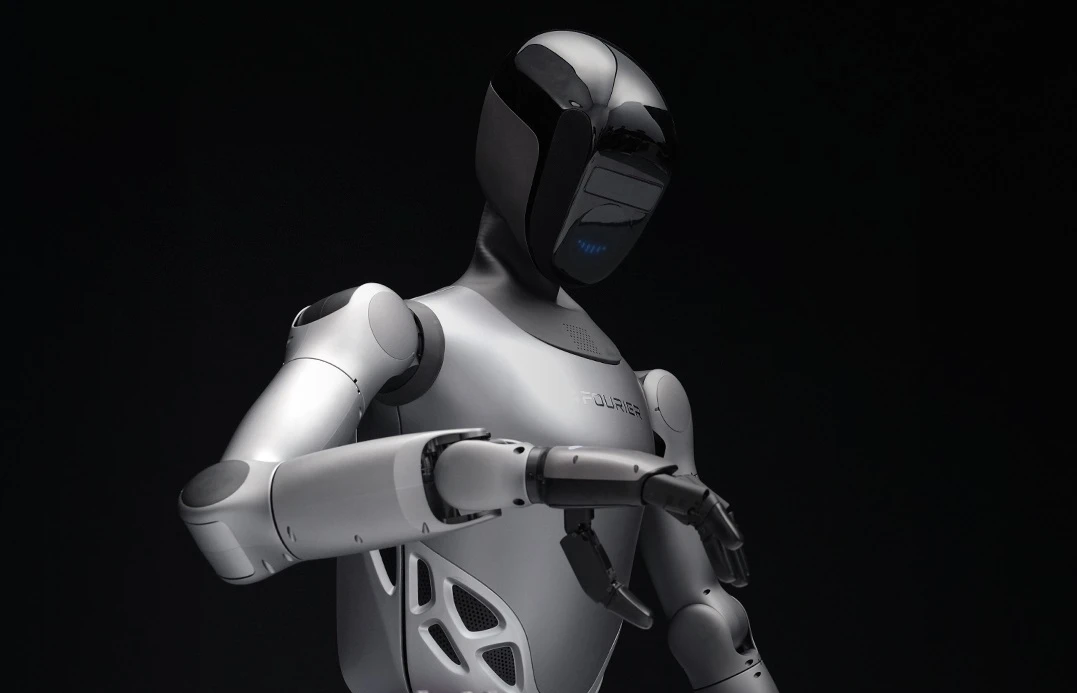
Robotic shell TPU skin-film

Fourperformanceedges

Versus paint, TPU film lasts in real conditions.

01

Abrasion · Water

High-elastic TPU resists wear through long friction without exposing base; a continuous film with no pinholes keeps moisture out, no peeling.

Wear →
02

Impact · Flex

The film is tough and heat-bonded to the substrate, flexing with joint shells under repeated motion — no cracking, no flaking, no paint burst.

Flex →
03

Chemical · Sweat

Resists body sweat, sanitizing alcohol and weak solvents — no aging, discoloration or gloss loss under long wear and duty.

Resist →
04

Weather · Anti-yellow

Premium TPU adds UV stabilizers; color sits inside the film, away from UV, holding hue under outdoor duty.

Weather →
FACTORY ADVANTAGE

One step
replaces thepaint line

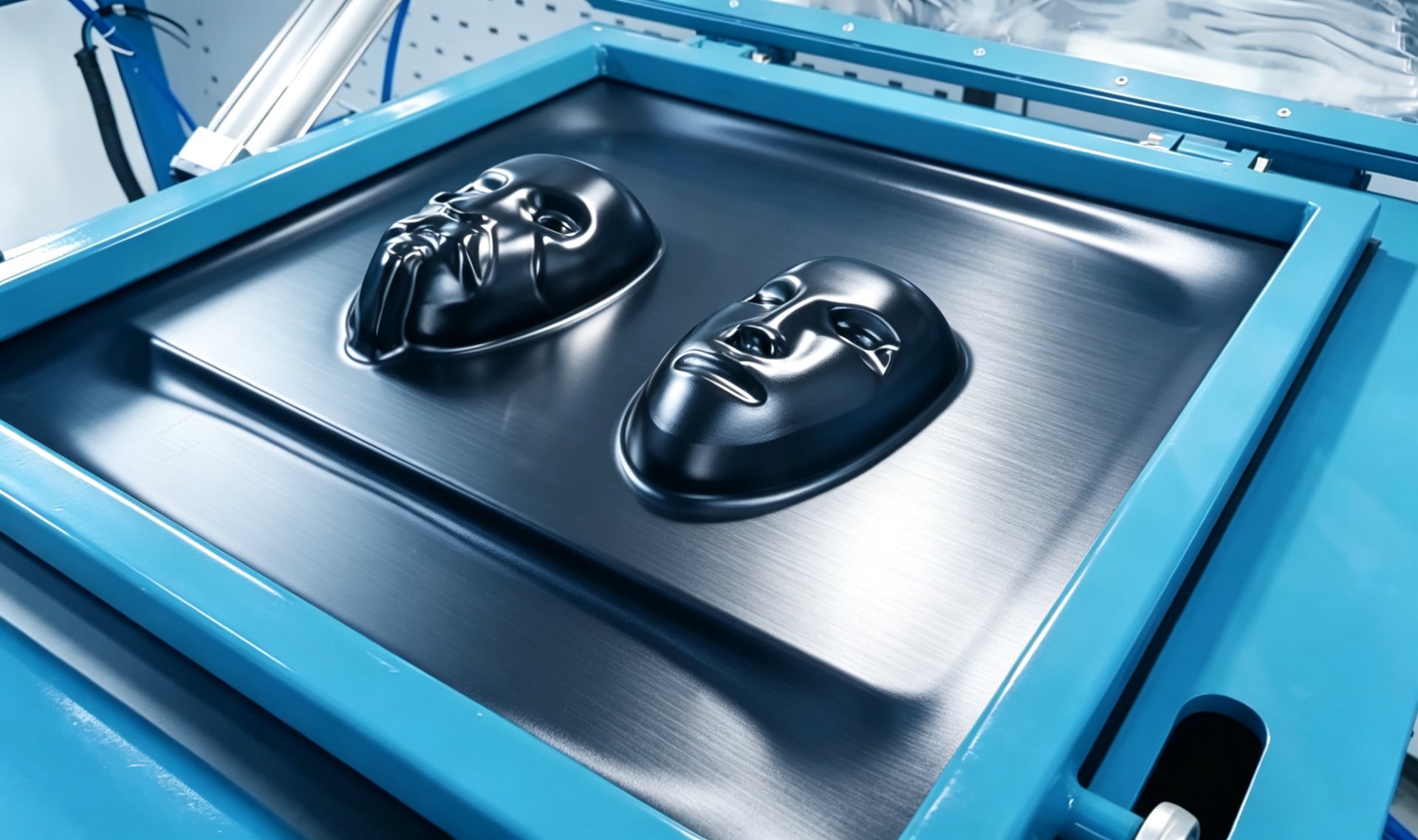
  Legacy shells go injection → sanding → degrease → primer → topcoat → clear → bake → QC. TPU skin-film needs only thermoforming → bond / in-mold wrapping, dropping paint, bake and sanding entirely.

  • Shorter process: no paint line, bake oven or sanding station — less equipment, labor and floor space
  • Lower defect rate: color pre-printed inside the film, controllable; almost no run, pinhole or particle defects
  • Much less VOC: near-zero solvent emission, no heavy exhaust treatment, easier environmental approval
  • Design freedom: matte / frosted / metallic / texture / gradient / carbon-look / custom LOGO, printed inside the film where it won't wear off
TPU vacuum forming in-mold line

Cost &service

Scales better, repairs easier.

A

Lightweight

Film is only 0.1–0.3mm, adding almost no shell weight — ideal where robots are weight-sensitive.

Light →
B

Volume cost

After tooling, per-unit cost drops sharply — suited to volume models; upfront tooling exceeds paint but pays off at scale.

Cost →
C

Easy repair

Light scratches polish out; severe damage swaps the local film — no full-shell repaint.

Repair →

Commonquestions

About fit and service for robotic film.

Can the TPU film flex with robot joints?

Yes. The film is tough and heat-bonded to the substrate, flexing with the shell under repeated motion without flaking or bursting.

Does it yellow outdoors?

Premium TPU adds UV stabilizers and keeps color inside the film, away from UV — holding hue outdoors.

How to fix a scratched shell?

Light scratches polish out; severe damage swaps the local film — no full-shell repaint.

Is it eco-compliant?

TPU skin-film emits almost no solvent, cutting VOC sharply and easing environmental approval.

Get therobotic filmplan

Send a shell sample; we return a TPU skin-film prototype and a paint-vs-film cost comparison.